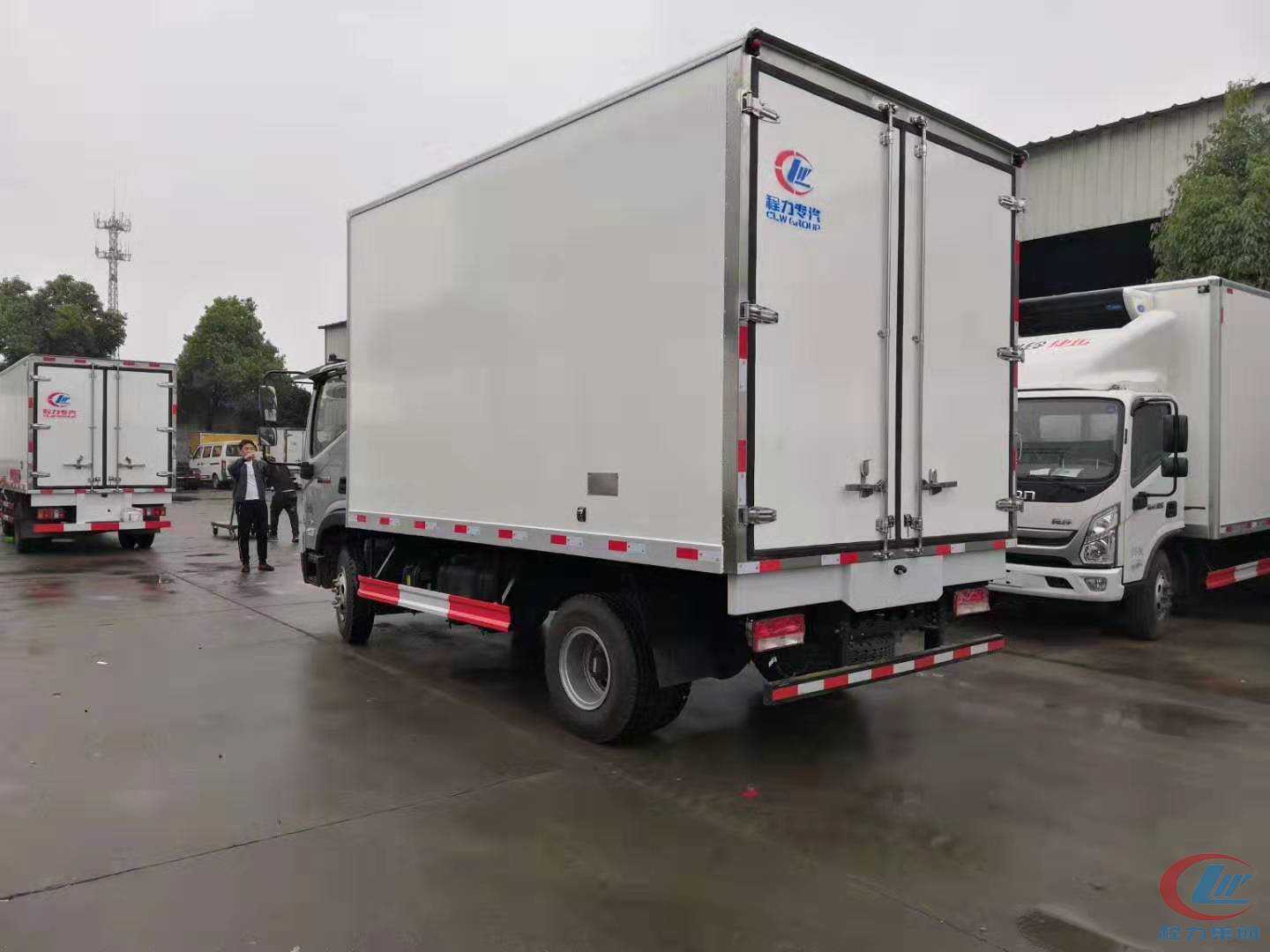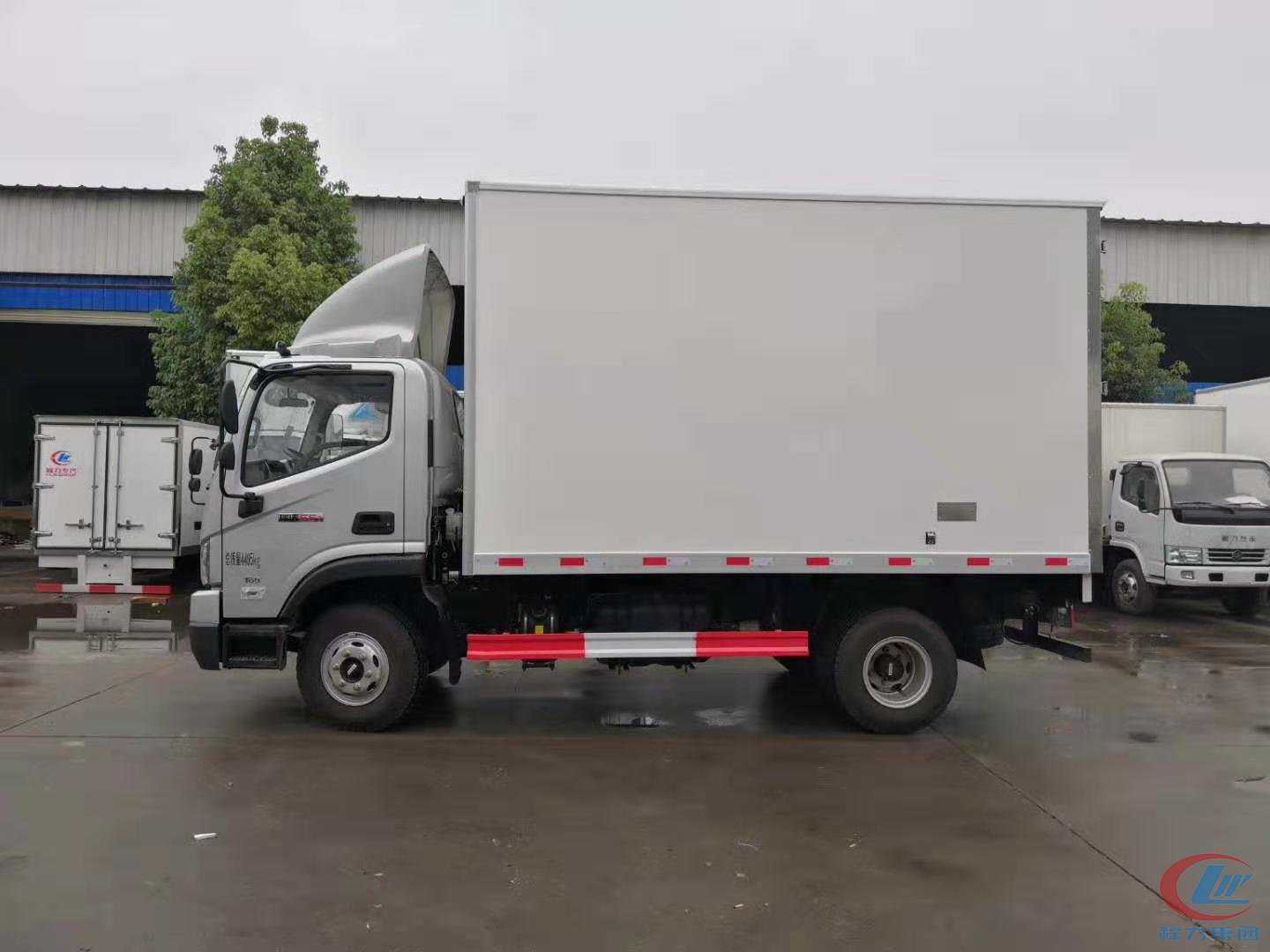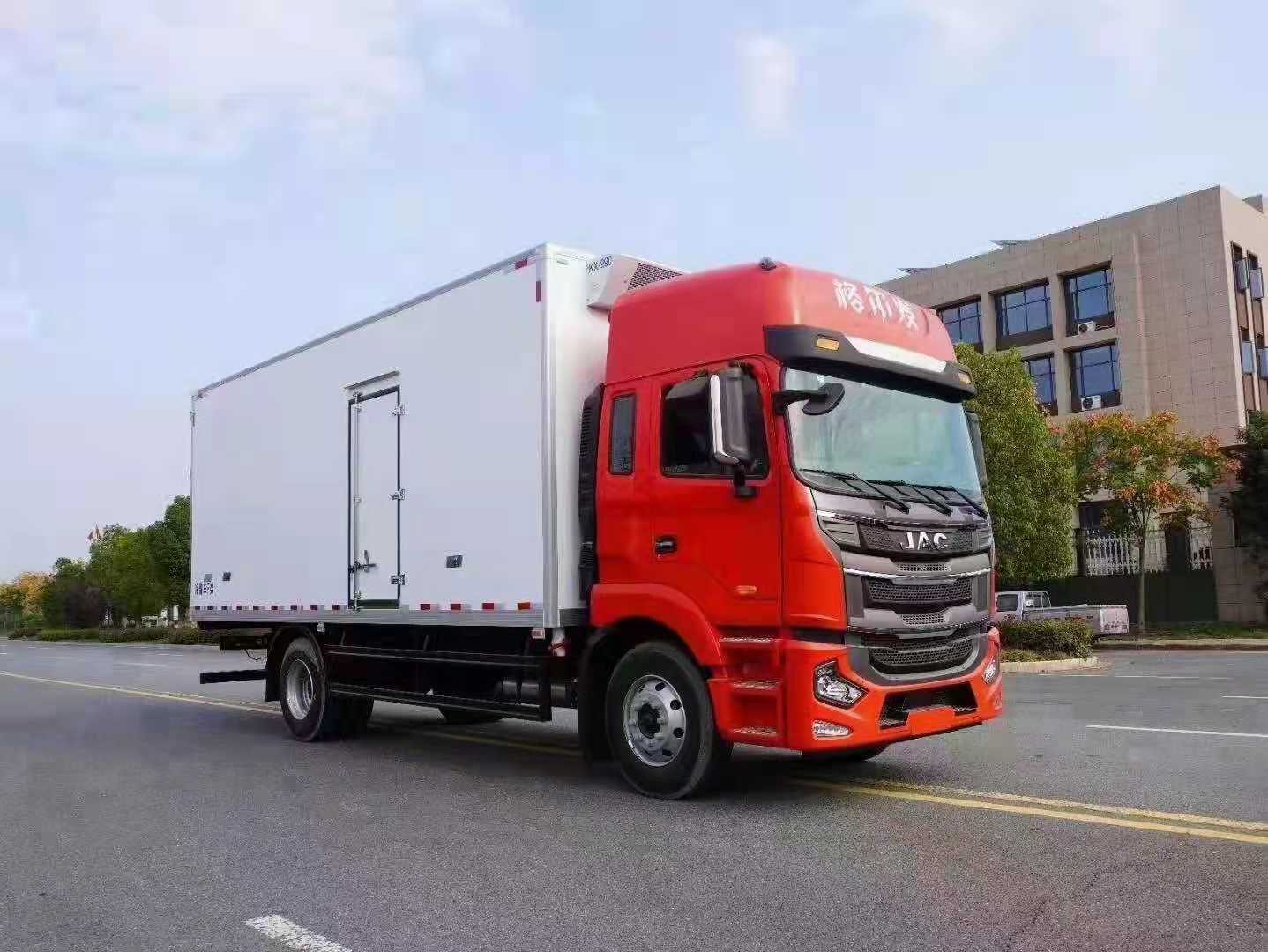
If you export refrigerated trucks or cold chain cargo, the export process and cost control decide whether your shipment stays efficient and economical. If you are comparing a new refrigerated truck for sale versus a refrigerated truck for sale used, the same export workflow still applies, but the document checks and cost risks can be different.
1. Why this export topic matters
1.1 Export starts right after order confirmation
After the order is confirmed, the first step is to start the pre-cooling unit.
At the same time, you prepare the key export documents like the commercial invoice, packing list, and bill of lading. These basics matter whether you buy refrigerated truck units for fleet expansion or you ship customer-owned assets.
1.2 Import rules must be confirmed before shipping
You also need to understand the destination country’s import regulations in advance.
This includes tariffs, labeling, packaging, and inspection and quarantine requirements. Doing this early helps control refrigerated truck cost surprises caused by rework, relabeling, or inspection holds.
2. Step-by-step export workflow for cold chain transportation
2.1 Preparation and confirmation: pre-cooling + documents
Start the pre-cooling unit before shipment.
Get the commercial invoice, packing list, and bill of lading ready for export. This is also the point where many buyers validate supplier readiness before they buy refrigerated truck inventory for overseas delivery.
2.2 Transportation planning: choose the right mode
Choose sea, air, or land based on the nature of the goods, delivery time needs, and total cost.
For medium- and long-distance cross-border routes, TIR transport can be an efficient option. If you’re sourcing a new refrigerated truck for sale and scheduling delivery around a project start date, the transport mode decision is part of the total timeline planning.
2.3 Why TIR is efficient for cross-border cold chain
TIR supports one-stop customs clearance.
It helps avoid repeated inspections in different countries that can break the cold chain, and it can significantly shorten transit time. This is especially useful when you buy refrigerated truck gold coast or buy refrigerated truck perth and need predictable cross-border movement without extra temperature breaks.
2.4 In-transit control: real-time temperature monitoring
During transportation, you need real-time temperature monitoring for the whole journey.
This keeps the goods in a controlled temperature environment from departure to arrival, and it reduces claim disputes when the consignee receives a refrigerated truck for sale shipment or temperature-sensitive cargo.
2.5 Customs clearance and final delivery
After the goods arrive, complete import customs clearance, including paying customs duties and cooperating with inspections.
Then deliver to the consignee and get a signature upon receipt. This last-mile handover is often the final checkpoint before the customer confirms they will buy refrigerated truck again on the next procurement cycle.
3. Cost control recap: what saves money in real shipments
3.1 Optimize route and transport plan to cut time and cost
Optimizing transport routes is one of the most effective cost control methods.
Using scheduled freight trains like the China-Europe Railway Express can shorten transit time and reduce cost, which directly improves overall refrigerated truck cost performance for cross-border cold chain operations.
3.2 Improve loading rate with container loading optimization
Use professional container loading optimization solutions to improve loading rates.
A better loading rate directly reduces the number of vehicles needed, which lowers the unit cost.
3.3 Avoid port delays: the “cost black hole” in cold chain
Port delays caused by customs inspections are a major cost black hole in cross-border cold chain transportation.
Extra energy consumption from delays can account for up to 18% of the total cost.
3.4 Pick a faster customs clearance model
Choose a logistics service provider with port fast track qualifications, when possible.
Or use transport models like TIR that can achieve faster customs clearance and reduce delay risk, which is a practical safeguard for buyers who buy refrigerated truck gold coast or buy refrigerated truck perth and want fewer unpredictable port-side waiting costs.
3.5 Equipment choices that reduce lifecycle cost
R290 eco-friendly refrigerant equipment may cost about 15% more upfront.
But it can bring lifecycle advantages by reducing carbon emission penalties by about 30%.
3.6 Energy management at the port: independent generator matters
Using refrigerated trucks with independent generators helps during port inspection waiting time.
It allows self-powered operation and avoids the high cost associated with connecting to external power sources.
4. Next steps: how to apply this in your export plan
4.1 Build a simple export checklist before booking transport
Confirm destination import rules early: tariffs, labeling, packaging, and inspection and quarantine requirements.
Then align your documents: commercial invoice, packing list, and bill of lading.
4.2 Choose a transport + clearance strategy that protects the cold chain
If repeated inspections can disrupt temperature control, consider models like TIR for smoother clearance.
Keep real-time temperature monitoring as a non-negotiable part of the shipment plan, especially when demand is driven by local sourcing decisions like buy refrigerated truck gold coast and buy refrigerated truck perth.
4.3 Plan cost control from route to equipment
Optimize the route and improve loading rate with container loading optimization.
For long-term cost control, evaluate R290 equipment and independent generator solutions.