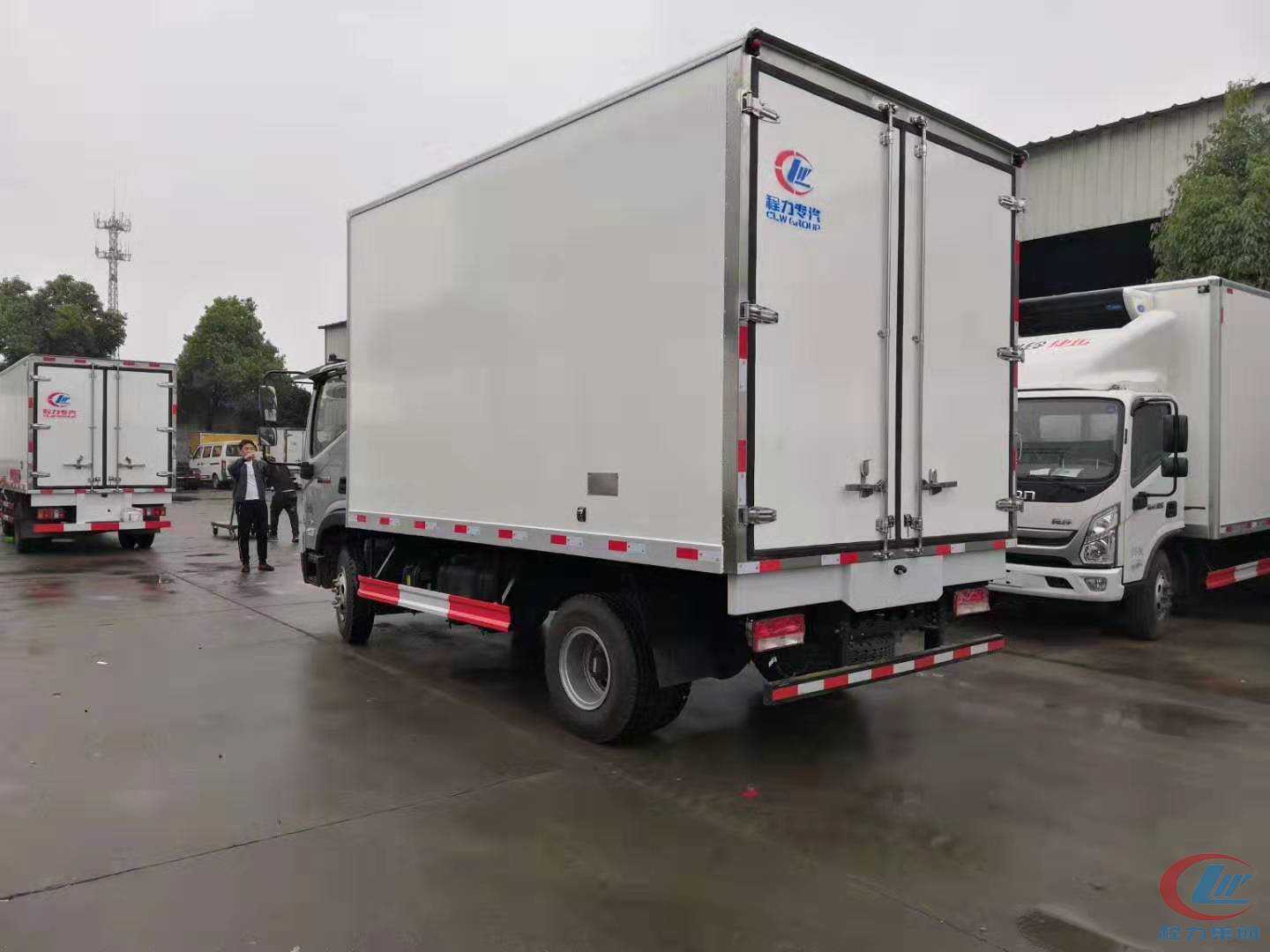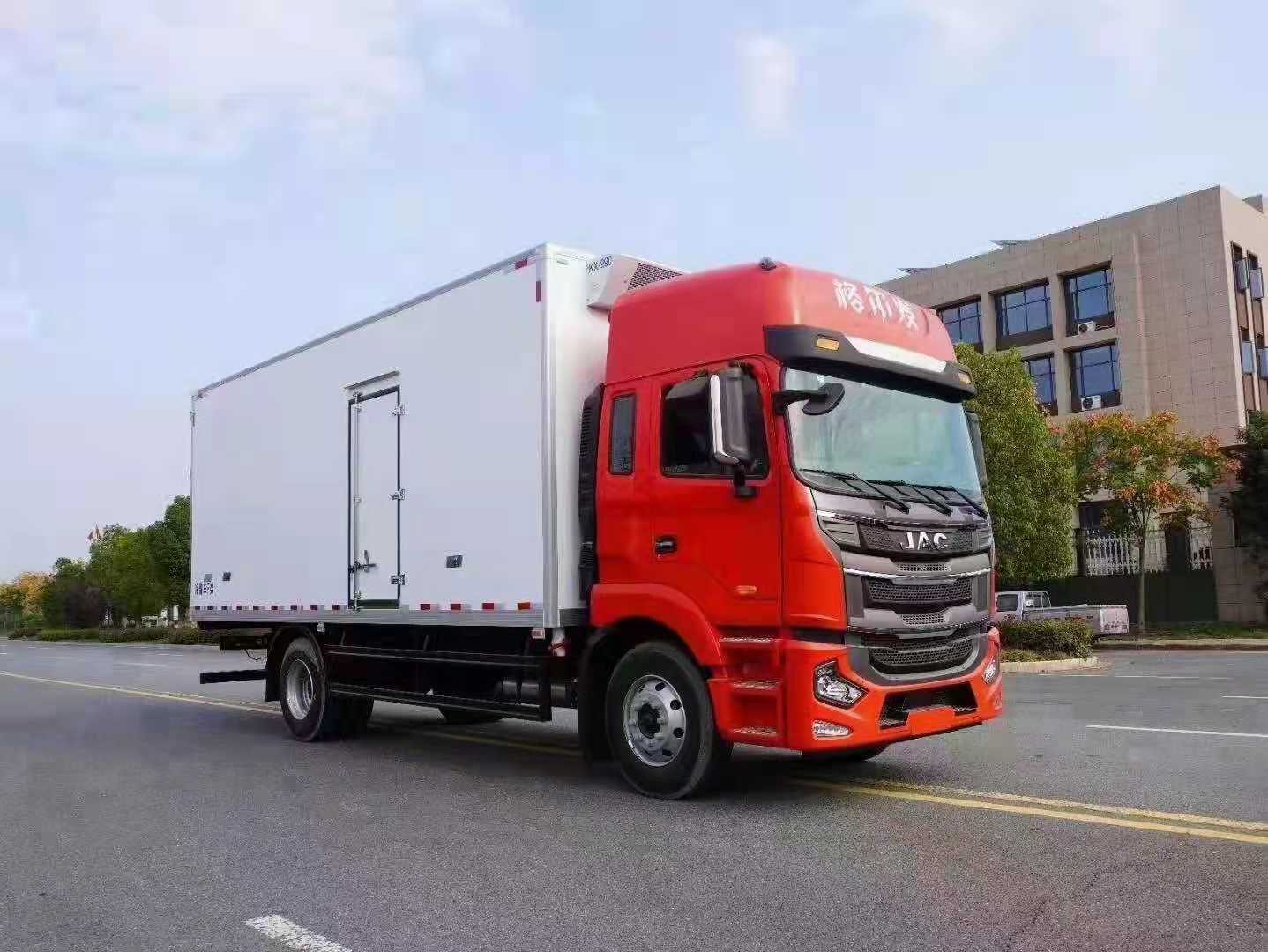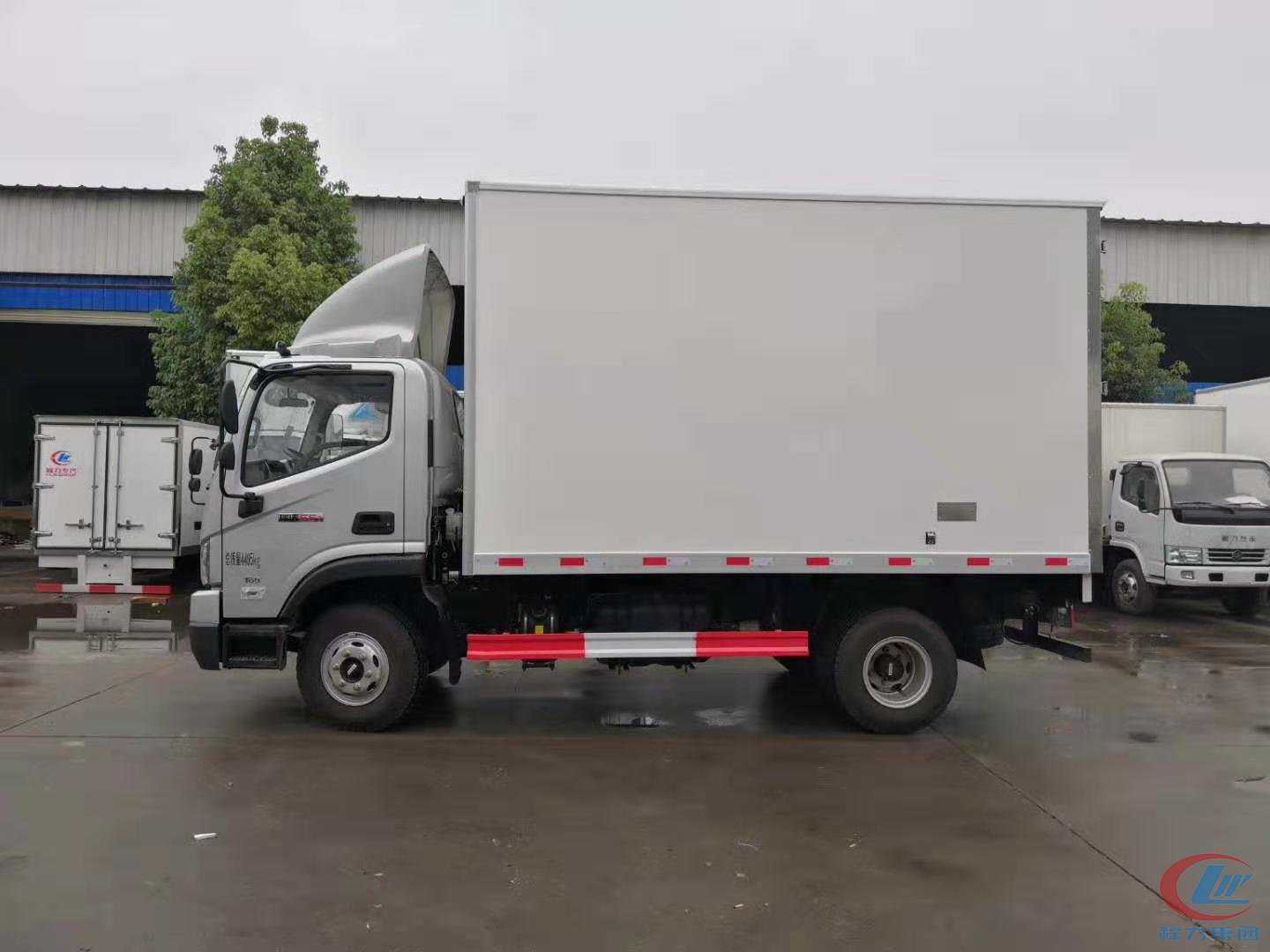
Buying a refrigerated truck (reefer truck) isn’t just about choosing a “bigger box” or “colder unit.” The right match depends on your product temperature, route pattern (multi-stop vs long haul), ambient climate, and how well the supplier can support you with warranty, parts, and service.
If you’re still unsure whether to buy or lease first, many buyers start by asking can you rent a refrigerated truck for a week or a month to validate route performance. In most markets the answer is yes—options range from short-term rentals to long-term contracts, depending on vehicle class and availability. You may also search rent refrigerated truck near me to compare local fleet options and lead times, especially in peak seasons.
I. Refrigerated Truck Specifications & Configuration Options
1.1 Refrigerated truck dimensions, cargo capacity, and payload
When comparing reefer trucks, confirm three “capacity” numbers (many buyers only check one):
Internal cargo dimensions (L × W × H): determines what actually fits.
Cargo volume (m³/ft³): useful for cartons but can mislead for pallets.
Payload (kg/lb): limited by chassis GVWR, axle ratings, and body weight.
Key points to verify
Pallet capacity (e.g., standard pallet count) and whether wheel wells reduce usable width.
Door opening size (rear and side) and loading height—critical for dock vs ground delivery.
Weight distribution: heavy goods (meat, dairy) can reach axle limits before “filling the box.”
Route type: multi-stop urban delivery often benefits from a slightly smaller truck with easier access, even if volume is lower.
Many buyers benchmark against popular formats like a 26 ft refrigerated truck, because it often hits a practical balance of pallet capacity and maneuverability for regional distribution. Still, the “right” size depends on your loading method, route density, and legal weight limits.
Buyer tip: Ask the supplier for a dimension drawing showing inside dimensions, door opening, and floor height—not just “truck length.”
1.2 Insulated body, panel thickness, and box material options
The refrigerated body determines how hard the refrigeration unit must work. Better insulation = better temperature stability and lower operating cost.
Common insulated body structures
FRP (fiberglass) skin + PU foam core: very common; good insulation and corrosion resistance.
Aluminum skin + foam core: durable; often used where impact resistance matters.
Stainless steel interior: easier sanitation for food, but heavier and more expensive.
Panel thickness (general guidance)
Chilled applications: often need moderate insulation.
Frozen applications: typically need thicker insulation and stronger vapor barriers.
(Exact thickness depends on climate and duty cycle; a “frozen-rated” body should be specified as such, not guessed.)
Other body details that matter
Floor type: aluminum T-floor, flat anti-slip floor, or reinforced floor for pallet jacks.
Thermal bridging: poor door frames, metal reinforcements, and gaps can leak cold.
Door seals & hardware: frequent opening requires high-quality gaskets and durable hinges.
Drain design: helpful for washdown (food), but must be sealed properly to avoid air leaks.
Buyer tip: If your business does frequent washdowns (meat/seafood), prioritize food-grade interior, sealed corners, and corrosion-resistant hardware.
1.3 Refrigeration unit options: brand, cooling capacity, temperature range
Your refrigeration unit must match temperature target + heat load. Heat load increases with:
frequent door openings
hot ambient weather
warm product loaded (should be avoided)
poor insulation or air leaks
high humidity (frosting risk)
What to confirm in writing
Temperature range: e.g., chilled, frozen, or dual-temp.
Cooling capacity rating: at specific ambient temperature conditions.
Control type: digital controller, defrost modes, alarm settings.
Airflow design: how air returns to the evaporator; whether partitions will disrupt flow.
Standby and power
Standby electric (plug-in) is valuable if you load overnight or park at facilities.
If the unit has its own fuel source or shares vehicle power, clarify how runtime is managed.
Buyer tip: If you transport pharma or audited food products, ask for data logging compatibility and a simple way to export reports.
1.4 Power and drivetrain choices: diesel, gas, electric, hybrid; chassis options
Your powertrain impacts total cost of ownership, service network, and route compliance (especially in cities).
Diesel
Pros: strong torque, long range, common for medium/heavy duty.
Considerations: emissions regulations, idling restrictions in some regions.
Gasoline
Pros: often cheaper upfront in light-duty classes.
Considerations: less common in heavier trucks; fuel economy may vary by market.
Electric
Pros: low local emissions, quieter, good for urban delivery and low-noise zones.
Considerations: range planning, charging access, payload impact from battery weight, cold weather range reduction.
Hybrid
Pros: can help in stop-and-go routes.
Considerations: complexity; confirm local service capability.
Chassis selection checklist
GVWR / axle ratings: ensure legal payload after adding reefer body + unit.
Wheelbase: affects stability and turning radius.
Cab configuration: single vs crew cab if you carry staff/equipment.
PTO / electrical capacity: if your reefer and accessories demand higher electrical output.
Buyer tip: Ask the body builder how much the full reefer build weighs so you can calculate real payload, not brochure payload.
1.5 Multi-temperature design, partition options, and airflow solutions
If you deliver mixed loads (e.g., frozen + chilled), multi-temp can increase revenue per route—but only if designed correctly.
Multi-temp methods
Movable bulkhead partition: creates separate zones.
Dual evaporator setups: better control per zone (higher cost).
Air chute / ducting: directs airflow to reduce warm spots.
Critical design considerations
Airflow return path must remain clear in every compartment.
Door opening frequency: multi-stop routes can overwhelm a weak setup.
Loading pattern: leave air gaps; avoid blocking evaporator intake/outlet.
Defrost strategy: frozen operations often require disciplined defrost management.
Buyer tip: Request a multi-temp layout drawing and ask the supplier to explain airflow (supply + return). If they can’t, that’s a red flag.
1.6 Optional accessories: liftgate, data logger, GPS/telematics, shelving, E-track
Accessories often decide operational efficiency.
Common high-value options
Liftgate: essential for ground delivery; match lift capacity to your heaviest pallet.
E-track / tie rails + load bars: prevents cargo shift and interior damage.
Shelving: good for small parcel cold delivery, but reduces airflow if poorly laid out.
Strip curtains: reduce cold loss during frequent door openings.
Data logger: temperature compliance for pharma/food audits.
Telematics: track temperature, door openings, location, and alarms in real time.
Interior lighting & anti-slip floor: safety and speed at night.
Buyer tip: If compliance matters, choose a data logging system that can export downloadable reports (PDF/CSV), not just a screen display.
II. Refrigerated Truck Manufacturers & Buying Guide
2.1 Best refrigerated truck manufacturers and body builders
There are typically two “manufacturers” involved:
Chassis maker (truck brand)
Refrigerated body builder (insulated box + integration)
Refrigeration unit brand (reefer system)
A “best” supplier is usually the one that can integrate all three reliably and support them locally.
How to evaluate capability
Do they build many reefers per month/year?
Can they show case studies in your industry (food/pharma)?
Do they have standardized build processes (jigs, QC checkpoints)?
Do they provide complete documentation: wiring diagrams, parts lists, manuals?
Buyer tip: Ask for a full build sheet listing chassis model, body materials, insulation type, unit model, and options—this makes comparing quotes fair.
2.2 Warranty, service network, and spare parts support
Warranty is only valuable if service is accessible.
Confirm these warranty items
Chassis warranty (engine, transmission, drivetrain)
Reefer body warranty (panel delamination, door seals, hardware)
Refrigeration unit warranty (compressor, controller, evaporator/condenser)
Service/support questions to ask
Where are the authorized service points near your operating area?
Typical spare parts lead times for the reefer unit and door hardware?
Do they stock common wear items (belts, sensors, controllers, seals)?
What’s the process for emergency failures—replacement unit, onsite repair, towing?
Buyer tip: Ask for a clear document stating who you call for chassis vs reefer unit vs body issues. Split responsibility causes downtime.
2.3 Quality control standards and certifications (food-grade, ATP/HACCP where applicable)
Depending on your market and cargo, compliance can be a dealbreaker.
What to look for
Food-grade interior materials (washable, non-absorbent, corrosion-resistant)
HACCP-aligned operation (often more about your process, but equipment must support monitoring and sanitation)
ATP certification (relevant in many international cold-chain contexts—verify if required in your destination market)
Temperature monitoring calibration documentation if needed for pharma
Factory QC: leak tests, insulation integrity checks, door seal tests, unit commissioning records
Buyer tip: If you’re exporting or cross-border transporting, ask early what documentation customs or local regulators require.
2.4 How to choose a reliable refrigerated truck supplier (new vs used, inspection checklist)
New vs used
New: better warranty and customization; higher upfront cost.
Used: lower cost; higher risk—especially insulation condition and reefer unit health.
Supplier reliability checklist
Clear company identity (registered business, verifiable address, factory photos/videos)
Transparent spec sheet and quotation breakdown
Written warranty terms
References or reviewable past shipments
Professional contract terms (incoterms, payment milestones, inspection process)
Used reefer truck inspection checklist (high priority)
Reefer unit hours and maintenance history
Ability to reach and hold your target temperature under load
Panel condition: cracks, swelling, delamination
Door seals condition and leak check (light test is simple and effective)
Floor integrity (soft spots, corrosion)
Signs of mold/odor (can indicate insulation moisture)
Temperature display accuracy (compare with an independent probe)
Buyer tip: For used units, insist on a performance test (pull-down time + hold test) and record the data.
2.5 Shipping, lead time, customization process, and after-sales support
Lead time depends on:
chassis availability
body build schedule
refrigeration unit availability
customization complexity (multi-temp, liftgate, logging systems)
What to confirm before paying
Production timeline with milestones (design approval → body build → unit install → commissioning)
Pre-shipment inspection (PSI) scope: photos, videos, temperature test, road test
Packaging/protection for shipment (especially for delicate reefer components)
Documentation provided: manuals, wiring diagrams, parts list, warranty cards
After-sales response channel (email/WhatsApp/portal) and response time expectations
For buyers handling regional specs, clarify local compliance details early—for example, some customers will ask about hong kong 16t refrigerated truck cargo box length as part of fit-for-purpose verification (route restrictions, docking standards, and capacity planning).
Buyer tip: Request a commissioning checklist signed by the factory (setpoint test, defrost test, alarm test, door seal inspection). It helps with warranty claims later.