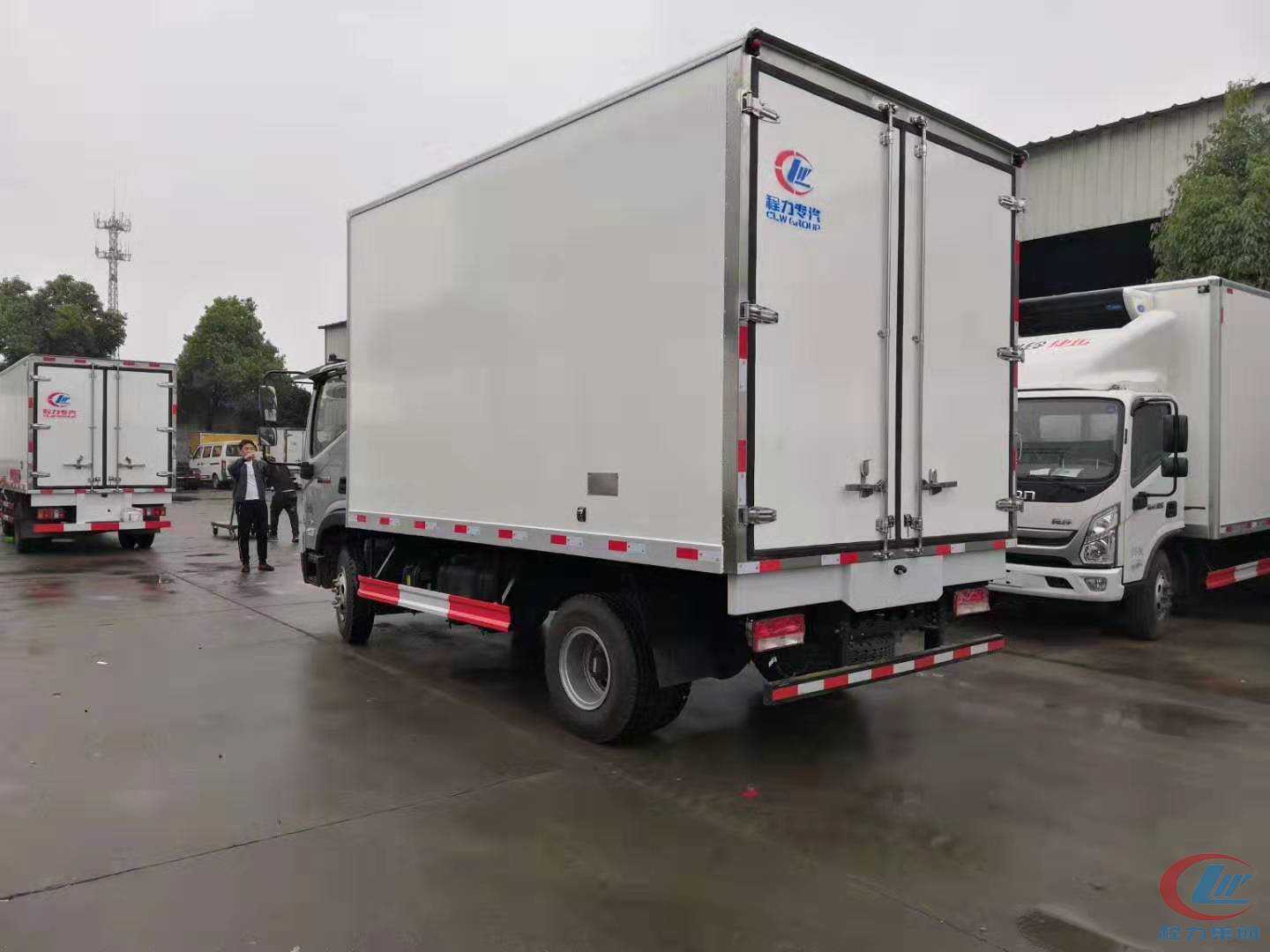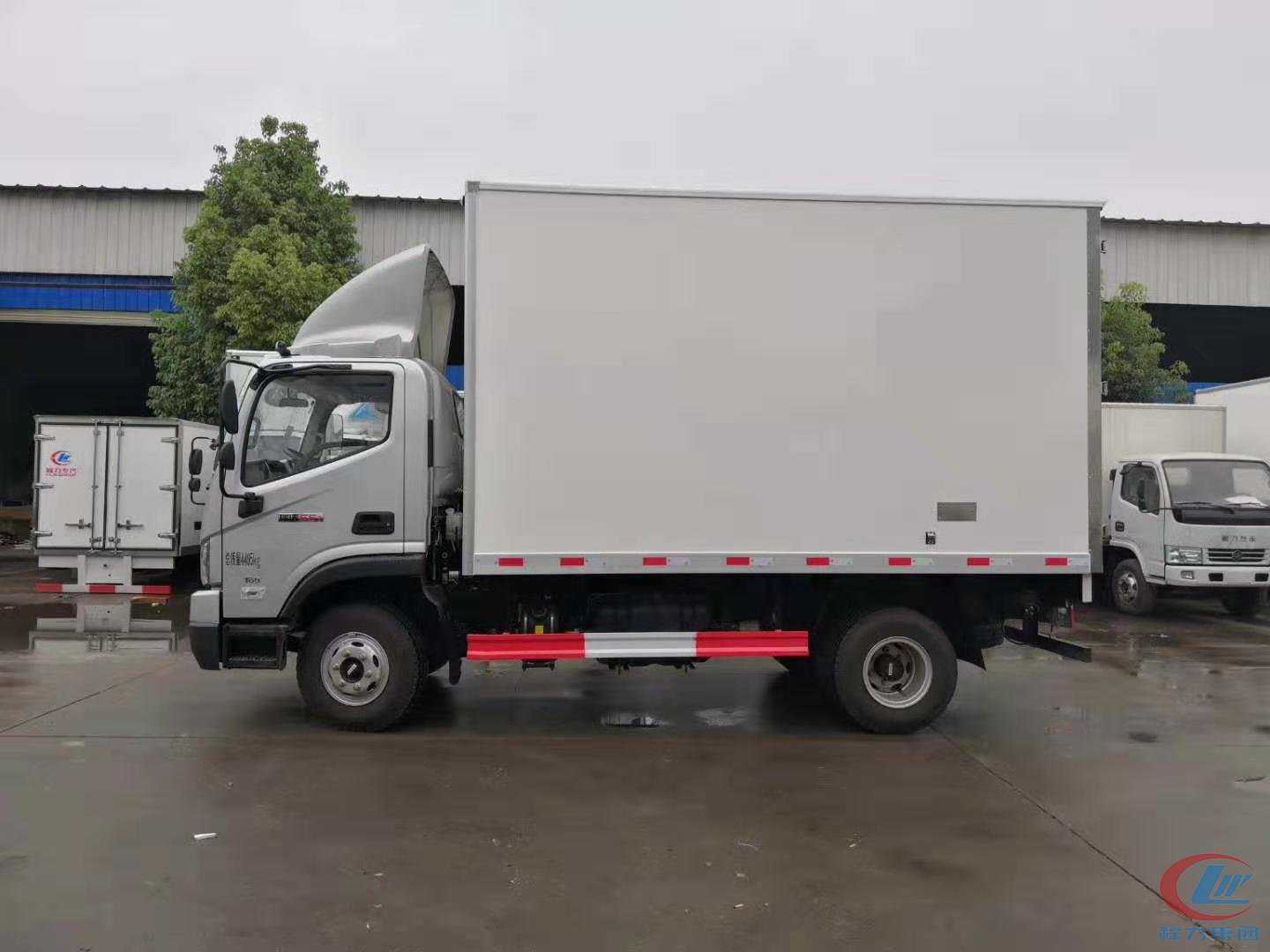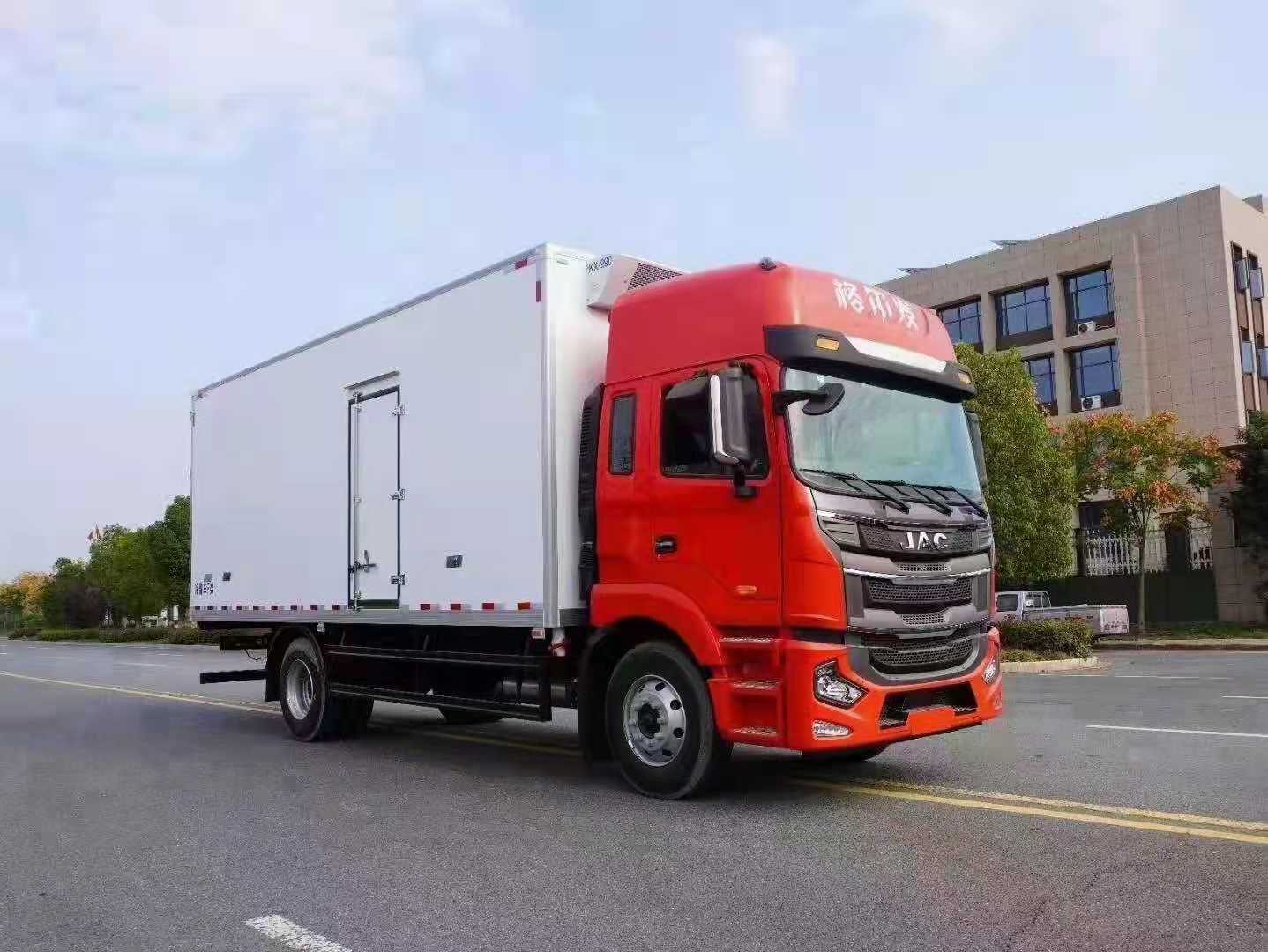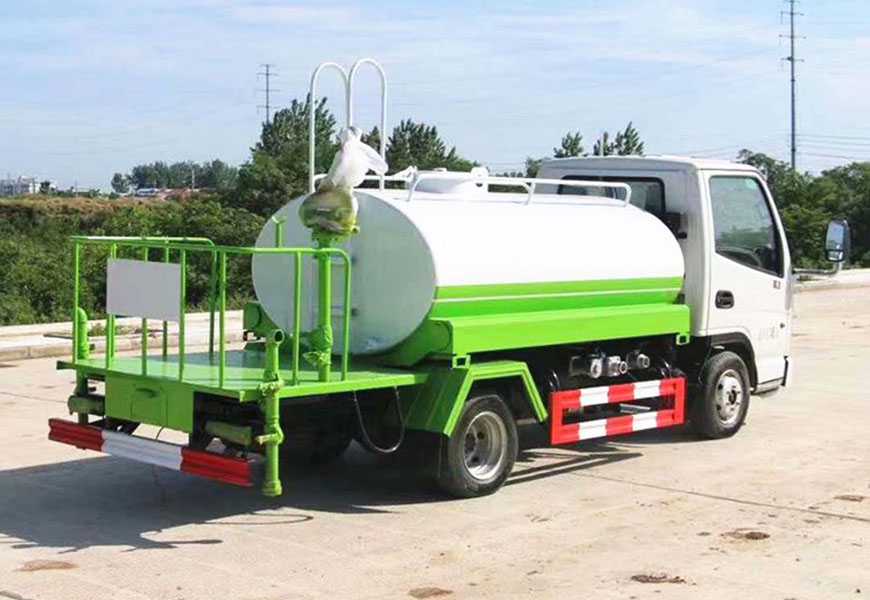
Renting a refrigerated truck (often called a reefer truck) is one of the fastest ways to move temperature-sensitive goods without investing in a full cold-chain fleet. But to avoid spoiled loads, surprise fees, and capacity mismatches, you need to confirm the right truck type, real temperature performance, and rental terms before you sign.
I. Renting a Refrigerated Truck
1.1 What a refrigerated truck rental is (reefer basics)
A refrigerated truck rental is a vehicle equipped with a refrigeration unit that can maintain a controlled cargo temperature while you transport goods. Depending on the setup, a reefer can:
Hold chilled temperatures (typical fresh food range)
Hold frozen temperatures (ice cream, meat, seafood)
Support multi-temperature zones (split compartments or bulkheads)
Important concept: a reefer is designed to maintain temperature—not rapidly cool warm product. Your cargo should be pre-chilled or pre-frozen before loading.
Common reefer formats you’ll see in rentals:
Reefer van (small, city-friendly)
Reefer box truck (most common for B2B distribution)
Reefer trailer (high volume, typically requires a tractor)
1.2 Common use cases: food delivery, events, pharma, cold-chain logistics
Reefer rentals are popular when demand is temporary, seasonal, or project-based:
Food & beverage: produce, dairy, meat, seafood, baked goods, beverages
Catering & events: weddings, festivals, pop-ups (often needs quick access and frequent door openings)
Pharma & healthcare: temperature-controlled medicines, vaccines, lab samples (often needs documentation/monitoring)
Cold-chain logistics overflow: peak seasons, backup when fleet is down, route expansion
Flowers & specialty products: certain florals, cosmetics, chocolates
1.3 Renting vs buying: key benefits and scenarios
Renting is usually better when:
You have short-term/seasonal demand (holidays, harvest seasons)
You need a backup truck during maintenance or breakdowns
You’re testing a new route, customer, or temperature requirement
You want to avoid capex, depreciation, and long-term maintenance
Buying can make sense when:
You run consistent routes and utilization is high
You have in-house maintenance and predictable cold-chain volume
Your operation needs specialized specs daily (multi-temp, special loading, etc.)
A good rule: if you’re not sure you’ll use a reefer consistently, rent first to validate costs and workflow.
II. Refrigerated Truck Rental Options and Specifications
2.1 Truck types and sizes: van, box truck, reefer trailer
Reefer van
Best for: small loads, city routes, last-mile delivery
Pros: easier parking, lower fuel/fees, fast loading
Watch-outs: limited pallet capacity, more temperature fluctuation with frequent door openings
Reefer box truck
Best for: regional distribution, restaurants, supermarkets, mixed stops
Pros: good balance of capacity + access, often available with liftgate
Watch-outs: bridge/height restrictions, higher fuel than vans
Reefer trailer
Best for: high-volume freight, warehouse-to-warehouse
Pros: biggest capacity, common for long-haul
Watch-outs: needs tractor/driver requirements, docking compatibility, yard space
When choosing, don’t decide by “gallons” or “tons” only—decide by:
Pallet count
Door size/loading method
Stop frequency (more stops = more heat gain)
Route distance & ambient heat
2.2 Temperature ranges: chilled, frozen, multi-temp
Define your required range before requesting quotes.
Chilled: commonly around 0°C to +8°C (32°F to 46°F)
Frozen: commonly -18°C (0°F) or colder depending on product
Multi-temp: different compartments (e.g., frozen + chilled)
What to ask the rental provider:
What setpoint range is supported?
Is it rated to hold temperature in high ambient heat and with door openings?
Is it continuous run capable (recommended for most cold-chain use)?
2.3 Capacity details: cargo volume, payload, pallet capacity
Confirm three capacity limits (people often check only one):
Internal dimensions (L×W×H)
Payload capacity (your cargo weight + pallets + equipment)
Usable pallet count (standard pallet sizes vary by region)
Also consider:
Wheel well intrusion (reduces usable width)
Interior lining (insulation reduces internal volume vs dry box)
Airflow clearance: reefer loads need space for air to circulate (don’t load “wall-to-wall” unless designed for it)
If you’re shipping pharma or high-value goods, also confirm if you need:
Tie-down rails (E-track)
Load bars / straps
Anti-slip mats
2.4 Refrigeration unit features: standby power, data logger, alarms
These options matter more than many buyers realize:
Standby power (electric plug-in): keeps temperature stable when parked at a facility
Diesel-powered unit vs vehicle-powered: affects runtime and fuel planning
Temperature display and calibration: ask when it was last calibrated
Data logger / recorder: essential for pharma and audited cold chains
High/low temp alarms: alerts driver/operator to deviations
Telematics: remote monitoring + geofencing + temperature reports
Tip: If your customer requires proof, ensure you can provide downloadable temperature reports, not just a dashboard view.
III. Refrigerated Truck Rental Cost and Contract Terms
3.1 Pricing models: daily/weekly/monthly, long-term leases
Common models include:
Daily rental: best for urgent needs and short events
Weekly rental: often better value for multi-day projects
Monthly rental: common for seasonal surges
Long-term lease: best when you need stable costs and guaranteed availability
Ask the provider what’s included:
Basic maintenance?
Routine refrigeration service?
Replacement truck if unit fails?
Roadside assistance?
3.2 Cost drivers: distance, season, temperature requirement, location
Your quote will typically change based on:
Truck size/class and reefer unit type
Temperature requirement (frozen and multi-temp can cost more)
Seasonality (peak food seasons, holidays)
Location (availability differs by city/region)
Route profile: long-haul vs multi-stop city routes
Rental duration (longer terms usually reduce daily rate)
If your route includes many door openings, you may need:
more powerful unit
strip curtains
tighter operating procedures
All of which can affect pricing.
3.3 Insurance, deposits, mileage, fuel and additional fees
Where budgets get blown is usually here. Confirm:
Deposit amount and conditions to refund
Mileage terms: unlimited vs capped mileage + per-mile charge
Fuel policy: full-to-full? reefer diesel billed separately?
Cleaning/sanitation fees: especially for food or mixed loads
Late return fees and grace periods
Damage charges: interior panel damage, door seals, refrigeration unit misuse
Tolls, parking, permits: who pays and how it’s billed
Also clarify whether the reefer has a separate fuel tank (many trailer units do). If yes, confirm:
who refuels it
how usage is measured
what happens if it runs dry mid-route
3.4 Maintenance, breakdown support, replacement policy
Get clear answers in writing:
24/7 roadside support availability
Response time expectations
Who pays towing and labor if the unit fails?
Replacement truck policy: same day? next day? equivalent spec?
What happens to temperature-sensitive cargo if there’s a breakdown?
If your cargo is high value, consider asking for:
a service-level commitment
a backup plan (spare unit availability)
permission to use continuous run mode
IV. How to Choose a Reliable Refrigerated Truck Rental Provider
4.1 Supplier evaluation: fleet condition, maintenance records, compliance
A reliable provider should be able to show:
Preventive maintenance schedule and service records
Recent reefer unit inspections
Tire/brake condition checks (safety matters for temperature too—breakdowns cause temperature excursions)
Compliance with your industry needs (food-grade sanitation, pharma documentation, etc.)
Practical questions to ask:
Average fleet age?
How often are reefer units serviced?
Do you offer temperature calibration certificates (if needed)?
Can you provide references for similar cargo?
4.2 Pre-rental checklist: pre-cooling, temperature verification, sanitation
Before you load anything, do a quick but strict checklist:
Cleanliness: odor-free, no residue, drains clear
Door seals: intact, closes tight
Pre-cool: run the unit until the box reaches target temp
Verify temperature: compare reefer display with an independent thermometer
Airflow: don’t block the evaporator; leave clearance around cargo
Operating mode: continuous run recommended for most cold-chain use
Record start temp: take photos/screenshots for documentation
If you’re hauling food or pharma, create a simple handover log:
time, setpoint, box temp, product temp (if applicable), operator signature
4.3 Delivery/pickup, lead time, and availability planning
To avoid last-minute failures:
Book early during peak seasons
Confirm pickup inspection time (don’t rush; plan 30–60 minutes)
Ask whether delivery includes setup guidance and temperature verification
Confirm operating instructions (many issues come from incorrect mode settings)
Also confirm:
docking height compatibility
liftgate capacity if you need it
parking space for trailers (yard rules, standby power access)
4.4 After-rental service: return inspection, dispute handling, support
At return:
Take photos/video of the interior and exterior
Keep temperature logs if any claims arise
Get a signed return condition report
Make sure the contract states:
How damage is assessed
How disputes are handled
Timeline for deposit refund
What “clean return” means (and what triggers cleaning fees)